

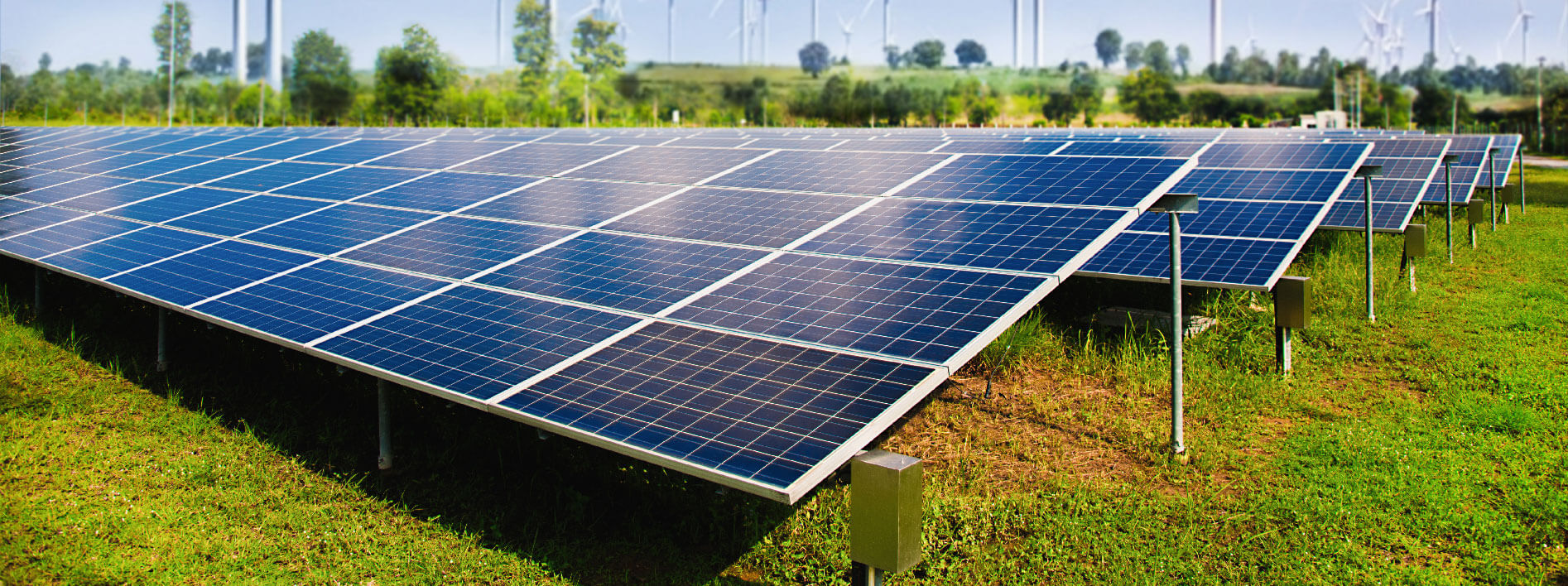
Commercial & Industrial Solar Project
A Commercial & Industrial Solar Project involves the installation of solar energy systems in business or industrial settings. These projects are aimed at harnessing solar power to reduce energy costs, lower carbon footprints, and enhance sustainability. Solar energy is an increasingly popular choice for businesses and industries due to its long-term financial and environmental benefits.
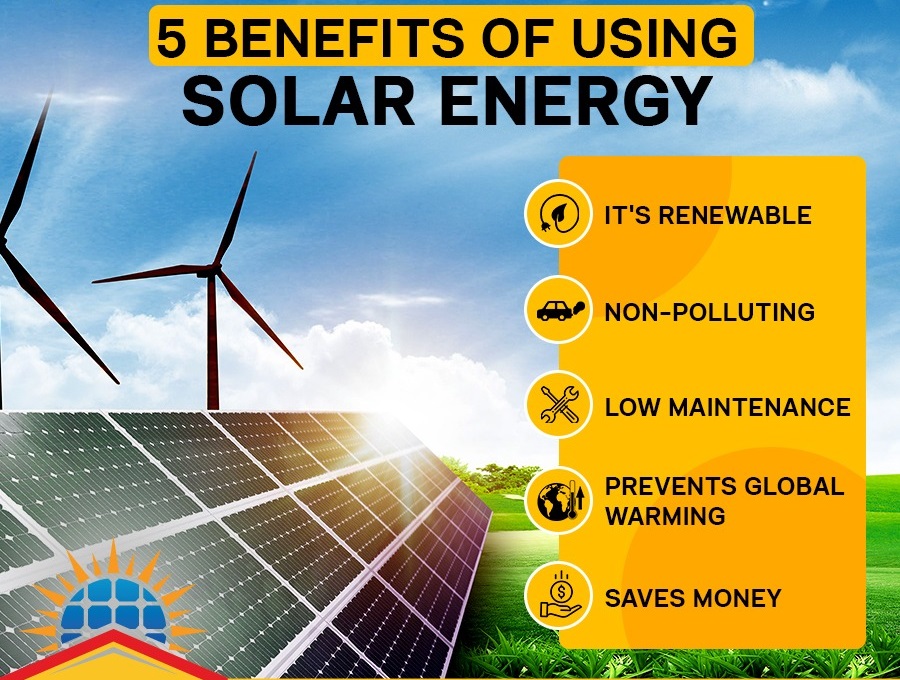
Benefits of Solar Energy for Commercial & Industrial Projects:
- Cost Savings: Reduced Energy Bills: Solar can significantly reduce electricity costs, especially for energy-intensive businesses.
- Return on Investment (ROI): With incentives like tax credits and rebates, the payback period for solar projects can be shortened. Over time, the cost of energy from solar drops to near zero, while traditional energy costs may rise.
- Energy Independence: Solar power can reduce reliance on external energy sources, providing businesses with greater control over their energy usage and costs.
- Sustainability & Corporate Social Responsibility: By investing in solar, businesses contribute to reducing greenhouse gas emissions and promoting renewable energy, enhancing their sustainability credentials.
- Government Incentives: Many countries and regions offer incentives such as tax credits, rebates, and grants for solar installations. These can make the upfront investment more affordable.
- Increased Property Value: Commercial and industrial properties with solar installations can increase in value, which is beneficial for owners or those looking to sell or lease the property.
- Energy Reliability & Backup: Especially for industries that require constant energy supply (such as manufacturing plants), having a solar system with battery storage or grid backup can provide reliable and uninterrupted power.
Key Considerations for Commercial & Industrial Solar Projects
Commercial & industrial solar projects are an increasingly viable and strategic investment for businesses looking to cut energy costs, enhance sustainability, and improve their energy resilience. While the initial costs may be high, the long-term financial and environmental benefits often make solar power a wise choice for businesses and industries of all sizes.
Energy Requirements
Roof or Ground Space
System Design & Engineering
Installation and Maintenance
Grid Connection
Financing
Direct Purchase: Paying upfront for the system.
Power Purchase Agreements (PPA): A contract where a third-party developer owns the system, and the business pays for the energy produced.
Solar Leasing: Leasing the solar system from a provider.
Financing through Loans: Loans specifically for solar installations.